Connecting Secure Transfers to Player Safeguards in App-Driven Progressive Prize Systems
Skriven av Jonas Hartmann · 2026-10-25
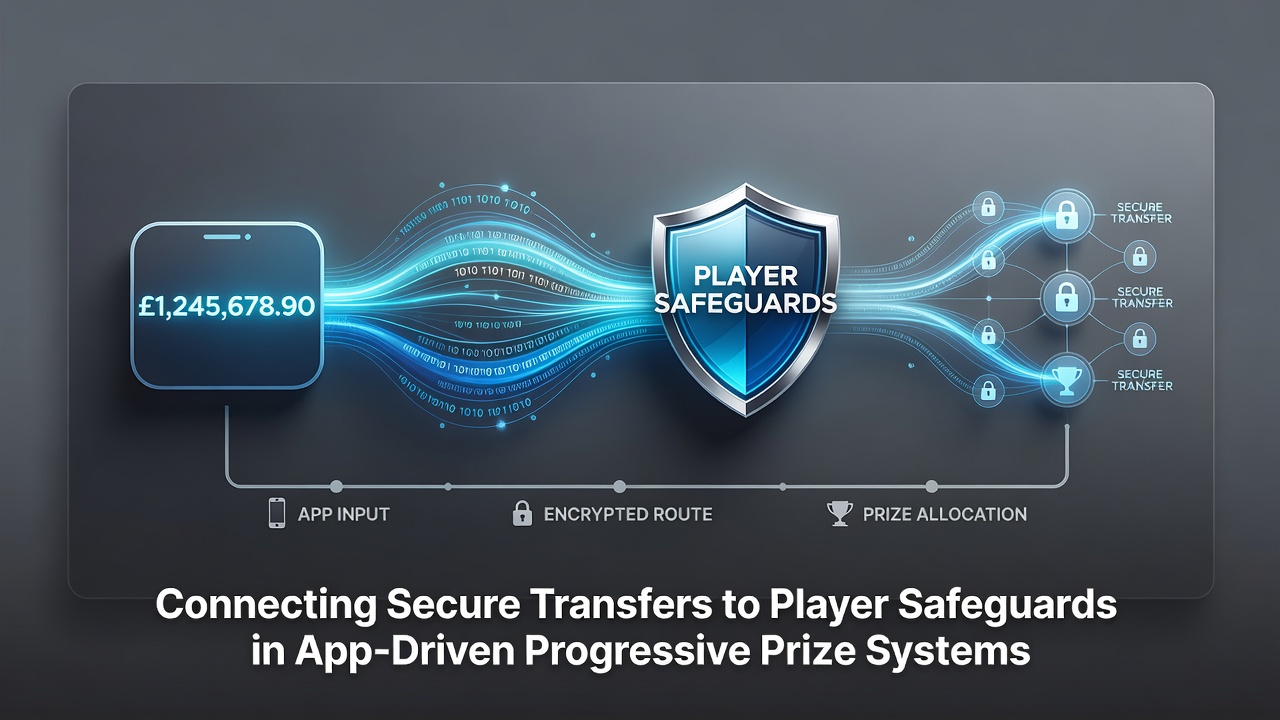
Connecting Secure Transfers to Player Safeguards in App-Driven Progressive Prize Systems
App-driven progressive prize systems link multiple games across platforms so that jackpot pools grow with each wager placed and operators must maintain secure transfer protocols to protect those accumulating funds while enforcing player safeguards at every step. Data from regulatory filings shows that these systems rely on encrypted payment gateways combined with real-time verification tools that confirm user identity and transaction legitimacy before any prize contribution or payout occurs.
Core Components of Secure Transfers
Secure transfers in these environments use end-to-end encryption standards that meet or exceed requirements set by financial authorities and gaming regulators and they incorporate tokenization so that actual account details never pass through the app itself. Researchers at institutions tracking digital gaming note that protocols such as TLS 1.3 combined with multi-factor authentication reduce unauthorized access incidents by measurable margins according to aggregated industry reports. And when progressive contributions flow from player accounts into shared pools the same encryption layers apply so that the integrity of the growing jackpot remains intact from the moment of contribution through to final distribution.
Player Safeguards Built Into the Architecture
Player safeguards connect directly to these transfer mechanisms through automated checks that monitor deposit patterns spending velocity and session duration before allowing further participation in progressive features. Systems flag unusual activity such as rapid successive transfers or attempts to exceed daily limits and they pause transactions until additional verification steps complete. Observers note that this integration prevents the escalation of play that could lead to financial harm while still permitting the progressive pool to function as designed.
Regulatory Context in October 2026
By October 2026 several jurisdictions have updated licensing conditions that explicitly require app operators to demonstrate how secure transfer systems feed into safeguard protocols. Figures from the New Jersey Division of Gaming Enforcement reveal that compliance audits now examine transaction logs in conjunction with responsible gaming tool activation rates and operators must submit quarterly reports showing how progressive prize contributions align with player protection thresholds. New Jersey Division of Gaming Enforcement data indicates rising adoption of these combined controls across licensed mobile platforms.
What's interesting is how these rules extend to third-party payment processors that handle funds moving into and out of progressive systems because regulators increasingly hold operators accountable for the entire chain rather than isolated segments. This approach means that any weakness in transfer security can trigger immediate safeguard reviews that affect jackpot eligibility and player account status.
Technical Integration Examples
One documented case involves an app network that routes every progressive contribution through a centralized verification server before crediting the pool and the same server applies spending limit checks drawn from player profiles. When a transfer request arrives the system cross-references it against historical behavior and regulatory caps then either approves processes or routes it for manual review. Data shows that such layered verification has lowered dispute rates related to both security breaches and unintended overspending in participating markets.
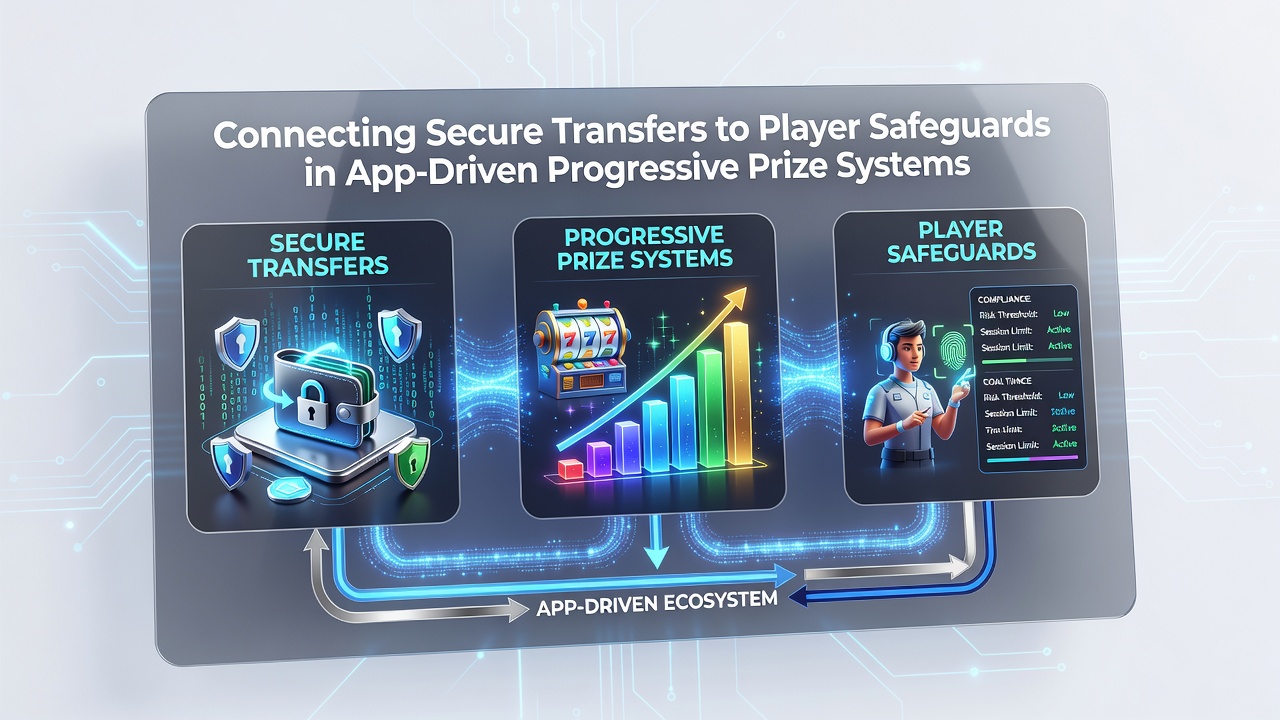
Another implementation uses blockchain-based ledgers to record each contribution timestamp and amount while embedding player-chosen safeguard parameters such as loss limits directly into the smart contract rules that govern prize distribution. Academic analyses from research groups studying digital gaming economics highlight that these immutable records provide regulators with transparent audit trails without exposing individual player data beyond what consent frameworks allow.
Challenges and Ongoing Adjustments
Yet technical compatibility between legacy payment rails and newer safeguard modules continues to require updates because mismatched encryption standards or verification delays can interrupt progressive contributions and trigger player frustration. Industry associations tracking these developments report that collaborative working groups now share best-practice frameworks so operators can align secure transfer pipelines with evolving protection standards across multiple regions. And as mobile hardware capabilities advance the same apps gain access to biometric confirmation methods that further tighten the link between transfers and safeguards.
Conclusion
The connection between secure transfers and player safeguards in app-driven progressive prize systems rests on integrated technical and regulatory structures that process contributions and payouts while enforcing verification and limit controls at each stage. Evidence from licensing data and compliance reports in October 2026 demonstrates that operators who maintain these linkages meet current standards for both fund protection and harm minimization across licensed digital environments. Continued refinement of encryption protocols verification tools and reporting requirements supports the ongoing operation of these systems under established oversight frameworks.