Decoding the Link Between Verified Transactions and Oversight Compliance in Progressive Prize Mobile Ecosystems
Skriven av Devon Müller · 2026-11-08
Decoding the Link Between Verified Transactions and Oversight Compliance in Progressive Prize Mobile Ecosystems
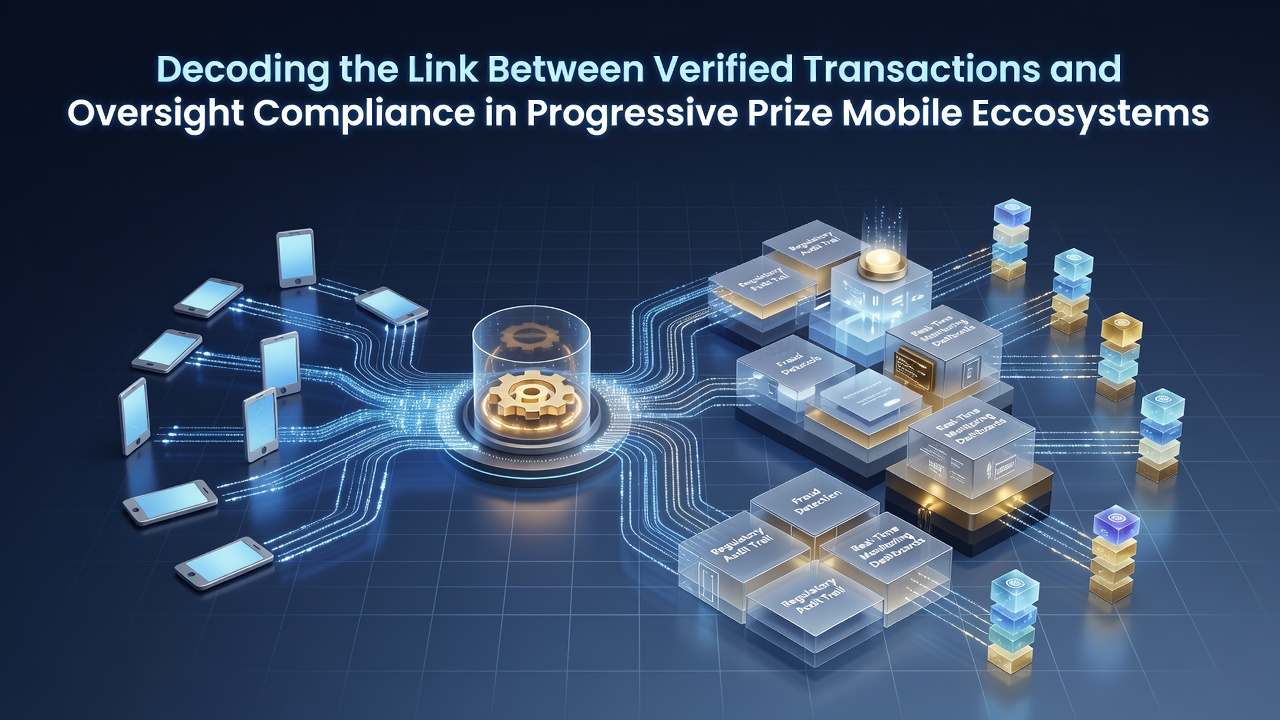
Progressive prize mobile ecosystems rely on verified transactions to maintain operational integrity across regulated digital platforms, and oversight bodies track these flows to enforce compliance standards in real time. Developers integrate secure payment gateways that authenticate each transfer before it contributes to accumulating jackpots, which creates a traceable chain from user deposit through prize allocation. Regulatory frameworks in multiple jurisdictions require these systems to log every step, and data from November 2026 shows increased scrutiny on transaction verification protocols as mobile participation continues to grow.
Transaction Verification as the Foundation
Verified transactions serve as the primary mechanism that connects user activity to prize distribution in progressive mobile setups, because each confirmed transfer feeds directly into the shared pool while triggering automated compliance checks. Operators deploy multi-factor authentication and encryption layers that validate payment sources before funds enter the ecosystem, and this process reduces discrepancies that oversight agencies flag during audits. Research from the University of Nevada Reno Gaming Research Center indicates that platforms with robust verification reduce error rates by measurable margins compared to legacy systems, while those who've studied transaction logs note that timestamped records help regulators reconstruct events quickly when disputes arise.
But here's the thing: mobile ecosystems add layers of complexity because devices vary widely in operating systems and security patches, so verification protocols must adapt without interrupting the prize accumulation cycle. Developers often embed device fingerprinting alongside payment confirmation, and this combination allows oversight entities to monitor patterns across thousands of sessions simultaneously. Figures from the Malta Gaming Authority reveal steady adoption of these hybrid verification methods through late 2026, particularly in markets where progressive prizes span multiple operators.
Oversight Compliance Structures
Oversight compliance demands continuous alignment between transaction records and prize payout rules, and mobile platforms achieve this through centralized dashboards that regulators access on demand. Agencies require operators to maintain immutable ledgers that capture every verified transfer, jackpot increment, and withdrawal request, which creates an auditable trail that spans the entire lifecycle of a progressive prize. In November 2026 several jurisdictions updated reporting intervals to weekly submissions, tightening the window for identifying anomalies before they affect prize integrity.
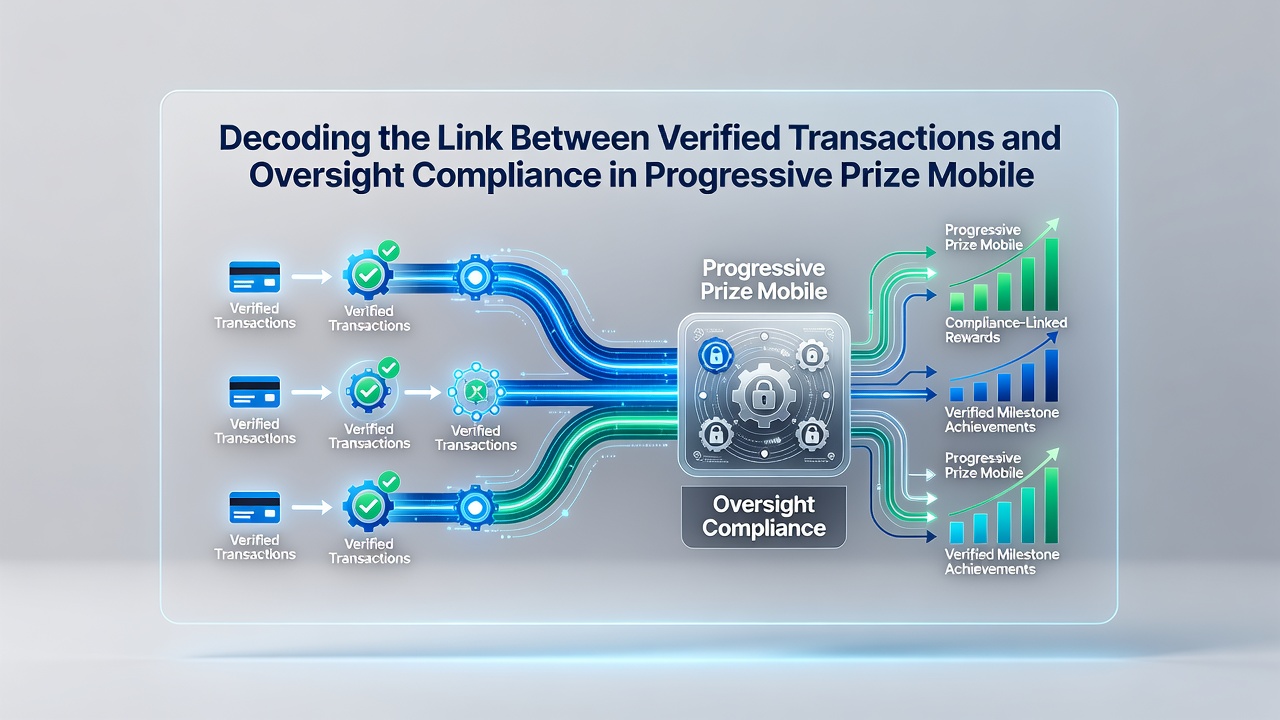
Those who manage these systems often discover that integration with third-party verification services accelerates approval times during routine inspections, while internal teams handle edge cases such as cross-border transfers that trigger additional jurisdictional reviews. The Nevada Gaming Control Board publishes quarterly summaries that highlight how verified transaction volumes correlate with compliance scores, and observers note the data shows clearer separation between compliant and non-compliant operators when verification timestamps align with regulatory deadlines.
Mobile-Specific Challenges and Adaptations
Mobile environments introduce variables like intermittent connectivity and operating system updates that can disrupt transaction flows, yet progressive prize systems must continue accumulating contributions without interruption. Engineers address this by implementing offline queuing that syncs once connectivity returns, and the queued entries still undergo full verification before they join the active prize pool. This approach preserves the integrity of oversight records even when users switch networks mid-session.
What's interesting is how geographic differences shape these adaptations, because European frameworks emphasize real-time reporting while certain North American markets focus on post-session reconciliation. Operators serving both regions maintain parallel compliance modules that feed into a unified oversight interface, and this setup allows seamless scaling as mobile user bases expand. Data shared by teh Australian Communications and Media Authority in November 2026 underscored the value of such modular designs for maintaining consistent standards across borders.
Integration of Emerging Standards
Emerging standards in 2026 emphasize API-level integration between payment processors and oversight portals, which enables automated flagging of transactions that deviate from established patterns. Progressive prize mobile ecosystems benefit from these connections because they reduce manual review cycles while preserving the continuous growth of shared jackpots. Industry reports from the European Gaming and Betting Association document how standardized verification endpoints have shortened the average time between transaction initiation and regulatory acknowledgment.
Take one operator that rolled out updated verification across its mobile fleet in early 2026; subsequent audits showed faster clearance rates and fewer follow-up queries from oversight bodies. Those who've implemented similar updates report that the combination of verified transaction data and automated compliance alerts creates a more resilient operational backbone, particularly when prize pools reach significant thresholds that attract heightened regulatory attention.
Conclusion
The connection between verified transactions and oversight compliance in progressive prize mobile ecosystems rests on layered authentication, immutable logging, and adaptive reporting that regulators can access without delay. As platforms evolve through November 2026 and beyond, the emphasis remains on maintaining traceable flows that support both prize integrity and regulatory expectations across diverse jurisdictions. Continued refinement of these links ensures mobile ecosystems can scale while meeting the documentation standards that oversight bodies require.