Integrating Player Safeguards with Jackpot Mechanics in Mobile Applications Governed by Nordic Licensing Standards
Skriven av Jonas Hartmann · 2026-11-22

Integrating Player Safeguards with Jackpot Mechanics in Mobile Applications Governed by Nordic Licensing Standards
Regulatory frameworks across Nordic countries require mobile applications to combine jackpot systems with mandatory player protection tools, and operators must demonstrate compliance through documented procedures that link prize accumulation directly to session monitoring features. These standards emerged from coordinated efforts by licensing authorities in Sweden, Denmark, and Norway, where mobile platforms now account for the majority of regulated gaming activity, and data from 2025 shows continued growth in app-based progressive jackpots that trigger only after verified player status checks occur at set intervals.
Core Requirements Under Nordic Licensing
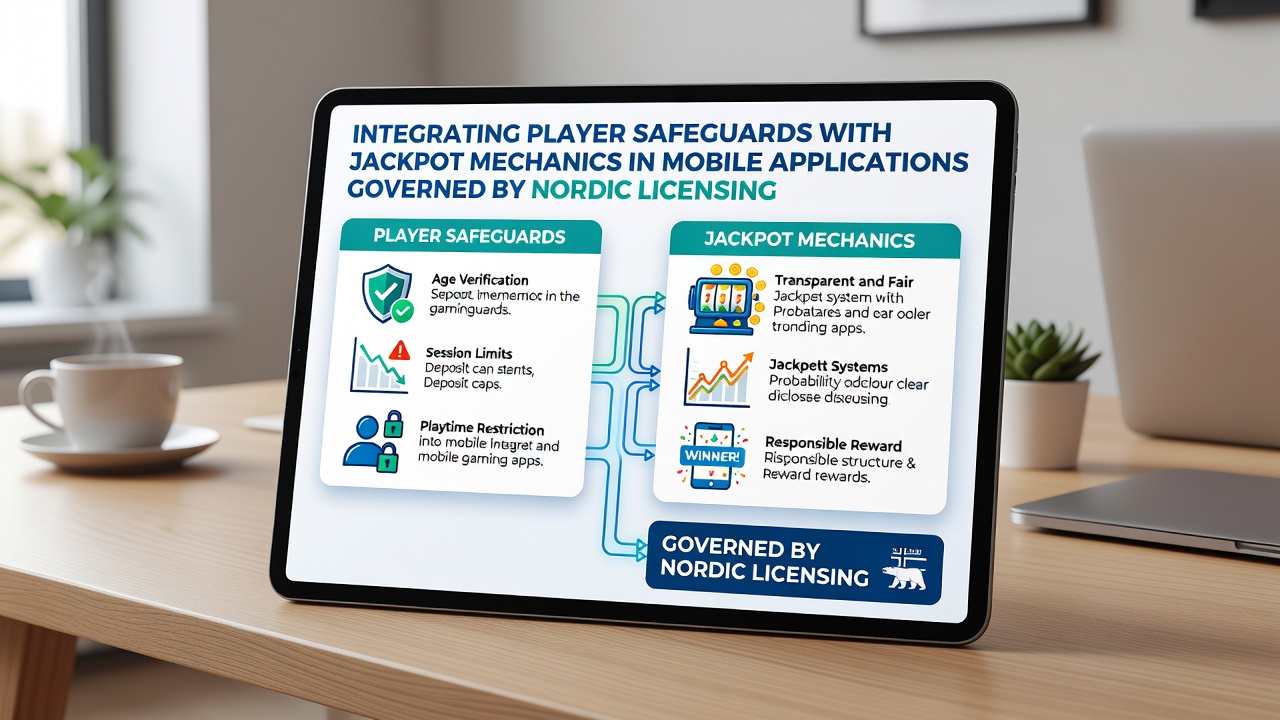
Licensing bodies mandate that jackpot contributions pause automatically when a player reaches predefined deposit or time thresholds, while reality check prompts interrupt gameplay and display current jackpot values alongside remaining limit balances, and this integration ensures that prize pools do not encourage extended sessions beyond safe parameters. Operators submit technical specifications that detail how mobile apps calculate contributions in real time yet halt increments once safeguards activate, and verification audits confirm that jackpot meters reset or carry over only after compliance logs receive approval from the relevant authority.
Technical Implementation in Mobile Environments
Developers embed APIs that connect jackpot engines to player account databases, allowing the system to cross-reference activity against limits before each contribution processes, and such architecture prevents any single jackpot mechanic from operating independently of the full suite of protection measures. Mobile applications display progressive totals within the same interface that shows daily or weekly caps, while push notifications alert users when approaching thresholds even if the jackpot display remains visible, and this dual presentation keeps prize information accessible without overriding safeguard visibility.
November 2026 Regulatory Updates
Updated guidelines scheduled for November 2026 introduce stricter logging requirements for jackpot-related sessions, requiring apps to record every instance where a safeguard interrupts a progressive contribution and transmit those records to central oversight portals within 24 hours, and these changes build on existing rules that already tie jackpot eligibility to verified age and location data. Industry reports indicate that several operators have begun testing enhanced modules ahead of the deadline, with mobile versions incorporating biometric confirmation steps before large jackpot claims process, while smaller prize tiers continue under standard verification flows.
Case Examples from Licensed Markets
One operator in the Swedish market adjusted its mobile jackpot feature so that contributions from users who activated voluntary spending caps divert automatically to a reserve pool rather than the main progressive meter, and this adjustment maintains prize growth for other participants while respecting individual limits. Similar approaches appear in Danish-licensed applications, where jackpot animations pause during mandatory cooling-off periods and resume only after the player confirms continued participation through an in-app confirmation screen, and observers note that these pauses reduce the visual reinforcement that might otherwise extend play sessions.
Research conducted by European gaming associations shows that integrated systems maintain jackpot payout ratios within expected ranges even after safeguard interventions, and figures reveal no measurable increase in player complaints related to interrupted contributions when the mechanics follow documented protocols. Those who manage compliance teams emphasize that regular third-party testing of the combined modules remains essential, particularly as mobile operating systems update security frameworks that affect data exchange between jackpot and protection components.
Cross-Border Considerations and Data Standards
Because Nordic licenses often permit limited cross-border play under mutual recognition agreements, applications must apply the strictest safeguard set applicable to the user's registered jurisdiction, and jackpot mechanics therefore query location and license data before adding contributions or displaying regional prize pools. This approach aligns with broader EU data protection expectations while satisfying specific Nordic licensing conditions that prioritize local player safety metrics over uniform prize structures across markets.
Conclusion
Nordic licensing standards continue to shape how mobile applications merge jackpot features with player safeguards, and ongoing refinements scheduled through late 2026 focus on tighter integration and faster reporting. Operators that align their systems with these combined requirements maintain eligibility while supporting prize mechanics that operate within documented safety boundaries, and the resulting frameworks provide consistent oversight across mobile environments governed by these regional rules.