Regulatory Mandates Shaping Secure Transaction Flows and Interactive Prize Systems in Licensed Digital Environments
Skriven av Avery Hartmann · 2026-08-30
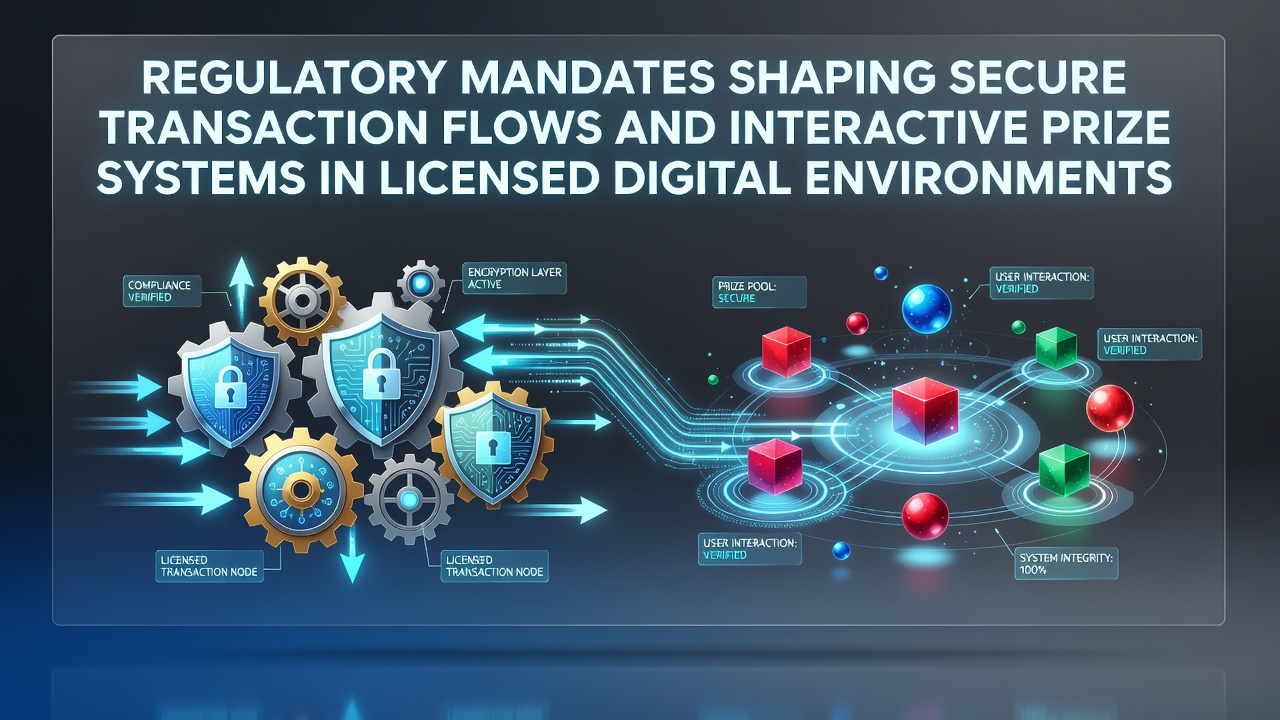
Regulatory Mandates Shaping Secure Transaction Flows and Interactive Prize Systems in Licensed Digital Environments
Regulatory frameworks around the world continue to evolve in response to technological advances in digital platforms that handle financial transactions and prize distributions, and observers note that licensed operators must adapt their systems to meet new standards for security and fairness.
Data from multiple jurisdictions shows that mandates now require layered encryption protocols along with real-time monitoring tools that flag suspicious activity during payment processing, while interactive prize systems face strict certification requirements for random number generators and audit trails that document every outcome.
Transaction Security Requirements Across Jurisdictions
Authorities in the United States, Canada, and Australia have implemented rules that demand operators maintain compliance with payment card industry standards plus additional regional safeguards, and these measures include mandatory tokenization of card details together with multi-factor authentication for account access. Research indicates that states such as New Jersey and Pennsylvania updated their digital gaming regulations in early 2026 to require biometric verification for high-value transfers, whereas Canadian provinces like Ontario expanded their iGaming framework to cover cross-border transaction monitoring starting in August 2026.
Operators must integrate automated reporting systems that transmit data directly to regulators, and this setup allows authorities to review transaction patterns without delays that once characterized manual audits. According to reports from the Nevada Gaming Control Board, licensed platforms processed over 2.3 million secure transactions monthly by mid-2026 under these enhanced protocols.
Standards for Interactive Prize Systems
Licensed digital environments that feature prize mechanisms now operate under guidelines that specify independent testing of software before deployment, and these tests verify that prize allocation remains statistically random while preventing any manipulation after the fact. European regulators outside the United Kingdom, including those in Malta and Sweden, require annual third-party audits of prize engines, whereas Australian state bodies such as the New South Wales Independent Liquor and Gaming Authority enforce similar certification through accredited laboratories.
One study released by researchers at the University of Nevada Reno examined prize distribution logs from multiple platforms and found that certified systems reduced discrepancy reports by 87 percent compared with non-certified alternatives. Those findings prompted several jurisdictions to adopt similar verification timelines, and data shows that operators who complete certification ahead of deadlines experience fewer compliance interruptions during routine inspections.
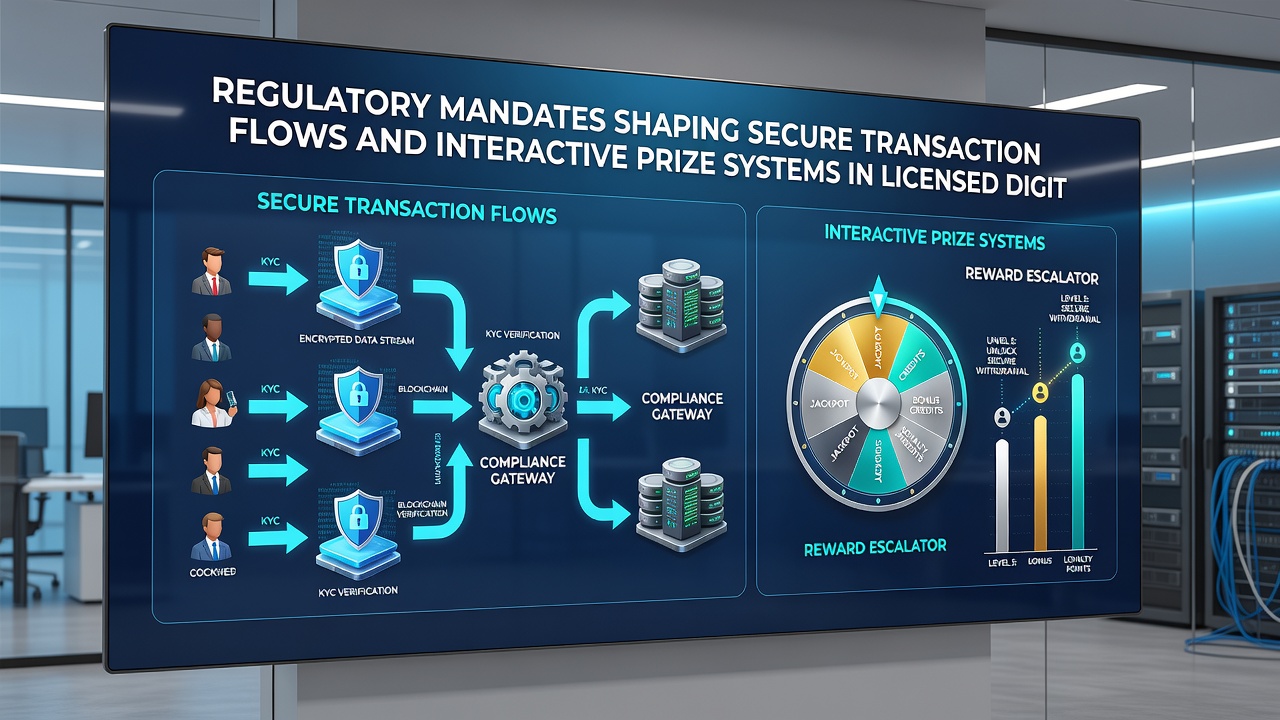
Interactive elements such as live prize draws or progressive jackpots must incorporate timestamped logs that regulators can access on demand, and this requirement ensures traceability from the moment a player enters a contest through to the final award. Industry organizations like the European Gaming and Betting Association have published technical papers outlining best practices for these logs, and many operators now reference those documents when upgrading their infrastructure.
Impact on Licensed Operators and Compliance Timelines
Companies operating in multiple regions face the challenge of aligning their systems with varying deadlines, and recent updates effective in August 2026 in parts of North America and Europe illustrate how quickly these mandates can shift. Platforms must allocate resources for ongoing staff training on new reporting formats while maintaining uninterrupted service for users, and failure to meet these benchmarks has resulted in temporary license suspensions in documented cases.
Figures released by the American Gaming Association reveal that licensed digital operators spent an average of 14 percent of their technology budgets on compliance upgrades during the first half of 2026, with transaction security tools accounting for the largest share. Yet operators who integrated modular compliance software early reported smoother transitions when new rules took effect.
Emerging Technologies and Future Mandates
Blockchain-based verification tools appear in several pilot programs under regulatory review, and these systems create immutable records of both transactions and prize outcomes that regulators can examine without compromising user privacy. Academic papers from institutions in Australia highlight potential efficiency gains when such technology pairs with existing encryption standards, and government agencies in Canada have begun soliciting public comment on draft rules that would formalize their use by 2027.
Observers note that licensed environments continue to serve as testing grounds for these innovations because regulators can impose controlled conditions that protect consumers while allowing data collection on system performance.
Conclusion
Regulatory mandates have established clear pathways for secure transaction flows and verified prize systems within licensed digital environments, and the changes implemented through mid-2026 demonstrate ongoing refinement rather than wholesale reinvention. Data from diverse sources shows measurable improvements in security metrics and audit accuracy, while operators adapt through targeted investments and third-party collaborations. As new requirements emerge in different regions, the emphasis remains on verifiable processes that support both consumer protection and operational continuity.