Tracing Mobile Interface Adaptations to Swedish Licensing Rules for Live Tables and Bonus Structures
Skriven av Petra Sullivan · 2026-09-27
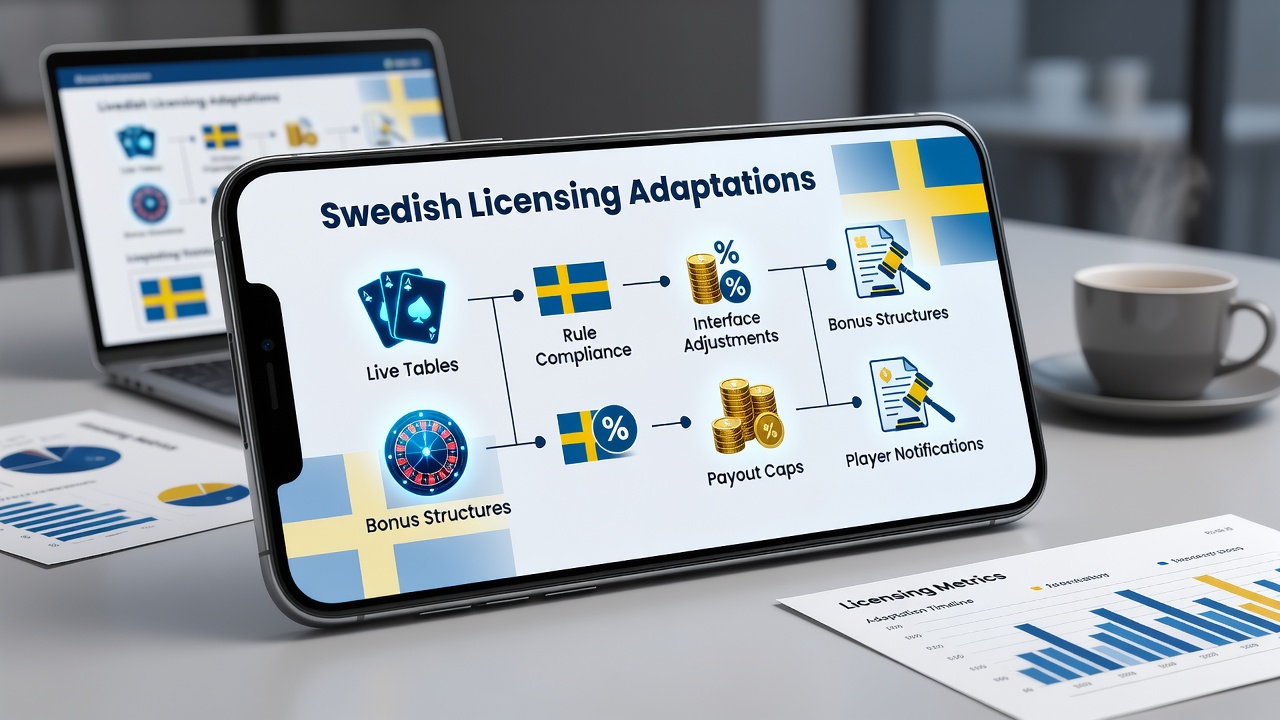
Tracing Mobile Interface Adaptations to Swedish Licensing Rules for Live Tables and Bonus Structures
Swedish Licensing Framework and Mobile Requirements
Swedish authorities maintain strict oversight through Spelinspektionen, and operators must align mobile platforms with rules that govern live table games alongside bonus offerings, so interface designs incorporate verification steps and display restrictions from the outset.
Data released in September 2026 indicated continued growth in mobile gambling traffic, and operators responded by embedding compliance features directly into app navigation rather than treating them as add-ons.
Live Table Adaptations on Mobile Devices
Live table games require real-time dealer interactions, and mobile interfaces adapt by integrating camera feeds with player authentication prompts that appear automatically when users select tables, while touch controls replace traditional mouse inputs to maintain smooth gameplay flow.
Experts at regulatory bodies note that latency reductions become essential, and developers implement adaptive streaming that adjusts quality based on connection speed without interrupting the session or violating identity checks mandated by Swedish law.
One development team working with licensed operators found that swipe gestures for betting replaced click sequences, and this change allowed quicker compliance with session timers that Spelinspektionen requires operators to enforce across all devices.
Bonus Structure Adjustments in User Interfaces
Bonus rules limit how promotions appear and activate, so mobile designs display eligibility details upfront in collapsible panels that users expand before claiming offers, and this prevents accidental activations that could breach wagering caps.
Figures from industry reports show operators now embed progress trackers for bonus requirements directly into account dashboards, and these visual elements update in real time as players meet playthrough conditions on live tables or slots.
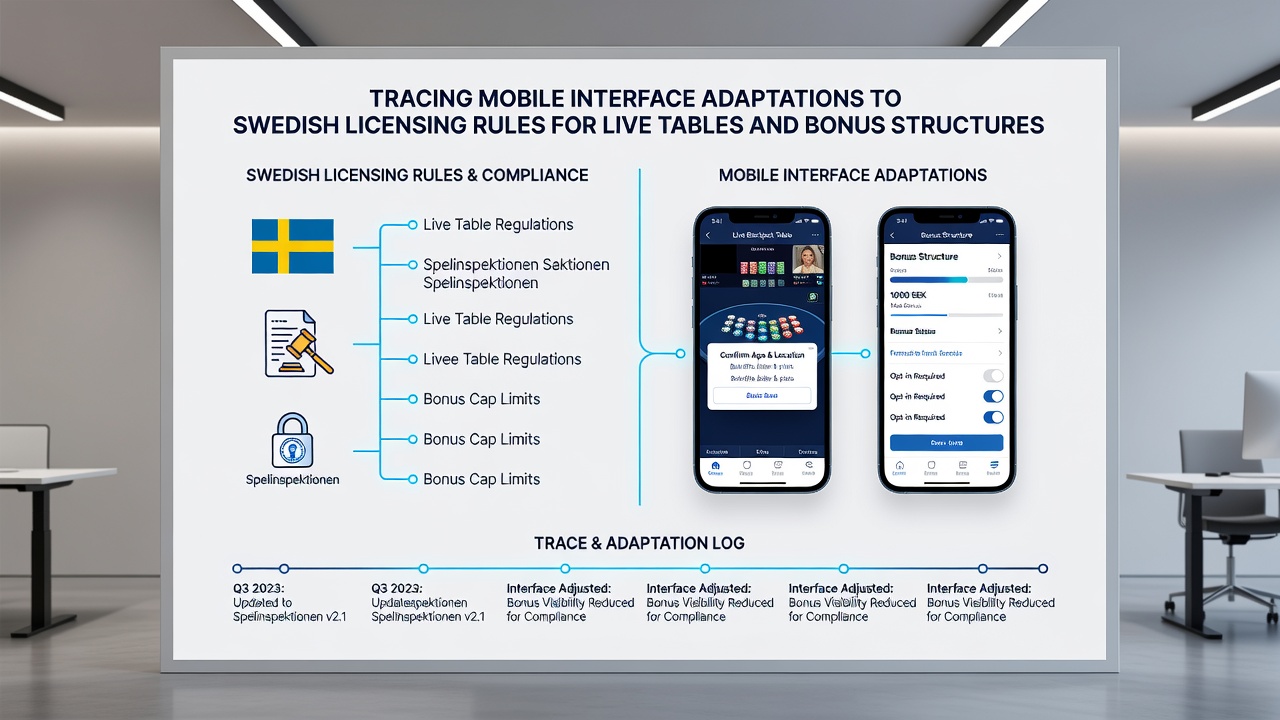
Researchers examining interface changes observed that pop-up notifications for bonuses now include mandatory confirmation screens, and this step aligns with rules that demand clear disclosure of terms before any funds transfer occurs.
Integration Challenges and Technical Responses
Combining live tables with bonus mechanics creates specific hurdles, and teams address them by layering regulatory filters over core game engines so that bonus credits cannot apply to certain live variants without explicit user selection and system approval.
Studies from European research institutions highlight that geofencing and device fingerprinting appear more frequently in mobile codebases, and these tools help confirm users remain within licensed jurisdictions while interacting with table games or redeeming promotions.
Operators in the Swedish market have adjusted their back-end systems to sync with front-end displays, and this ensures bonus balances reflect live table results instantly without creating opportunities for rule circumvention.
Examples from Licensed Operators
One operator updated its mobile app in early 2026 to include side-by-side views of live tables and bonus meters, and this layout helped players track compliance requirements without switching screens repeatedly.
Another case involved an interface redesign that placed session history links at the bottom navigation bar, and users gained quicker access to reports that Swedish rules require operators to make available on demand.
Industry associations across the EU have documented similar patterns, and the adaptations reflect responses to licensing conditions that emphasize transparency in both live gaming and promotional mechanics.
Conclusion
Swedish licensing continues to shape mobile interface development for live tables and bonus structures, and operators integrate verification, disclosure, and tracking elements as standard features rather than optional ones, so the resulting apps maintain regulatory alignment while supporting user engagement across devices.